
Section 2: Music and Uses of Sound
Music is made of sounds that are deliberately arranged in regular patterns. Musical instruments create these sounds by vibrating at a set of natural frequencies called overtones. Overtones help produce an instrument’s distinct sound quality, also known as timbre. Sound quality refers to the differences among sounds that have the same pitch and loudness. For example, a piano and a flute can play the same note at the same volume, yet they still sound different because each instrument produces its own unique set of overtones.
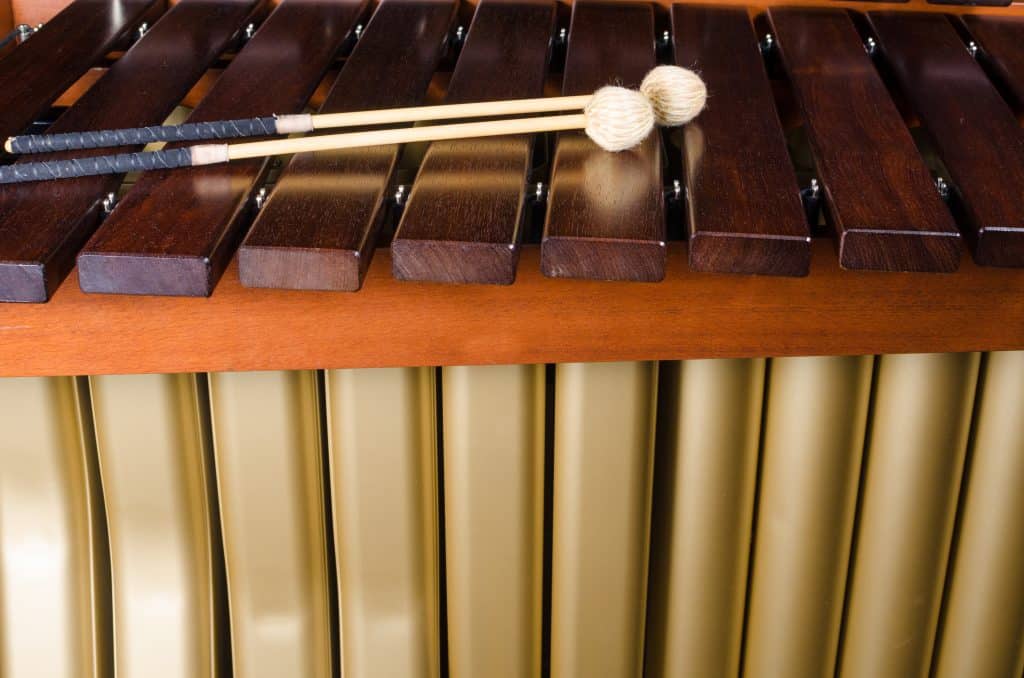
A picture of a marimba, its keys, and resonators
To make sounds louder, many instruments use resonators, or hollow chambers that amplify sound when the air inside them vibrates. For example, a violin produces sound when a bow is drawn across stretched strings, causing them to vibrate. The hollow wooden body of the violin and the air inside it act as a resonator, making the sound louder and richer. Similarly, a drum produces sound when its surface is struck, causing it to vibrate. The drum itself and the air inside it act as resonators, amplifying the sound.
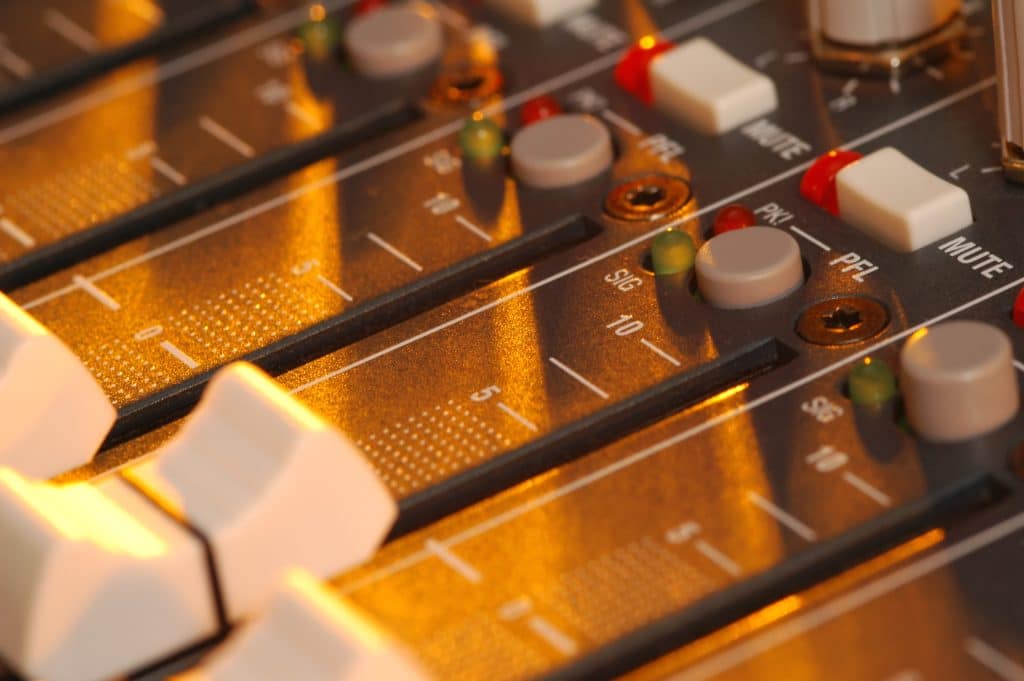
Picture of a mixing soundboard
The study of sound is called acoustics, and engineers who specialize in acoustics work to improve how sound travels in different environments. For instance, they design concert halls to maximize sound quality and control the reflection of sound waves. Materials inside a concert hall also affect how sound behaves. If you have ever noticed heavy drapes or curtains in a concert hall, they are there because soft materials absorb sound waves instead of reflecting them. This helps reduce echoes and improve the clarity of the music.
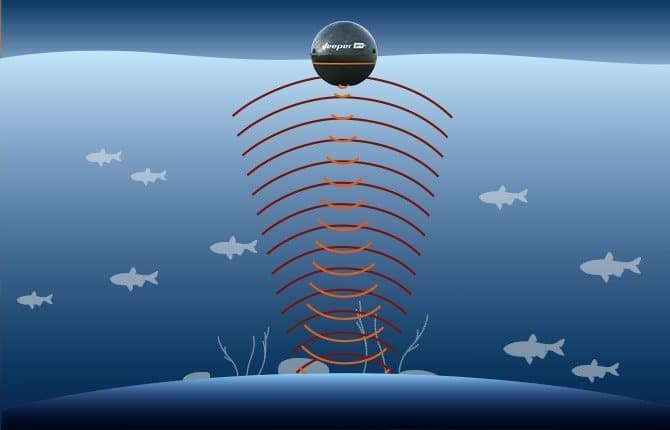
Sound waves are not only important for hearing and music but also useful tools for exploring and detecting objects. One important use of sound waves underwater is sonar (Sound Navigation and Ranging). Sonar is a system that uses the reflection of underwater sound waves to detect objects. Sound waves travel through the water, bounce off objects, and return to the sonar system. By measuring how long it takes the waves to return, the system can determine how far away an object is. Sonar can also help identify an object’s speed and direction.
Many animals use a similar process called echolocation to survive. Echolocation is the process of locating objects by emitting sounds and interpreting the reflected sound waves. Dolphins and bats, for example, send out sound waves that bounce off nearby objects and return to them. This allows the animals to navigate, avoid obstacles, and search for food, even in dark or murky environments.
Sound waves are also used in medicine to help doctors see inside the human body. An ultrasound uses high-frequency sound waves that can pass through skin and body tissues. As the sound waves bounce off structures inside the body, the reflected waves are used to create an image. For example, during pregnancy, doctors use ultrasound machines to view images of a developing fetus inside the mother’s body.
Review:
- What is a resonator?
- Why is studying acoustics important?
- What does SONAR stand for and how does it work?