
Section 6: Biomes
Biomes are large regions of Earth that are characterized by similar climates, organisms, and ecological communities. Each biome is defined by its climate—including temperature and precipitation—as well as the plants and animals adapted to live there. These organisms have specific adaptations that allow them to survive and reproduce within the conditions of that biome. Biomes can be grouped into two main categories: terrestrial biomes, which are found on land, and aquatic biomes, which are found in water. Aquatic biomes are influenced by factors such as water depth, temperature, and the availability of nutrients and sunlight. The upper layer of water, called the photic zone, receives enough sunlight to support photosynthesis, allowing organisms like phytoplankton to thrive. Below this is the aphotic zone, where little to no sunlight penetrates, and photosynthesis cannot occur.
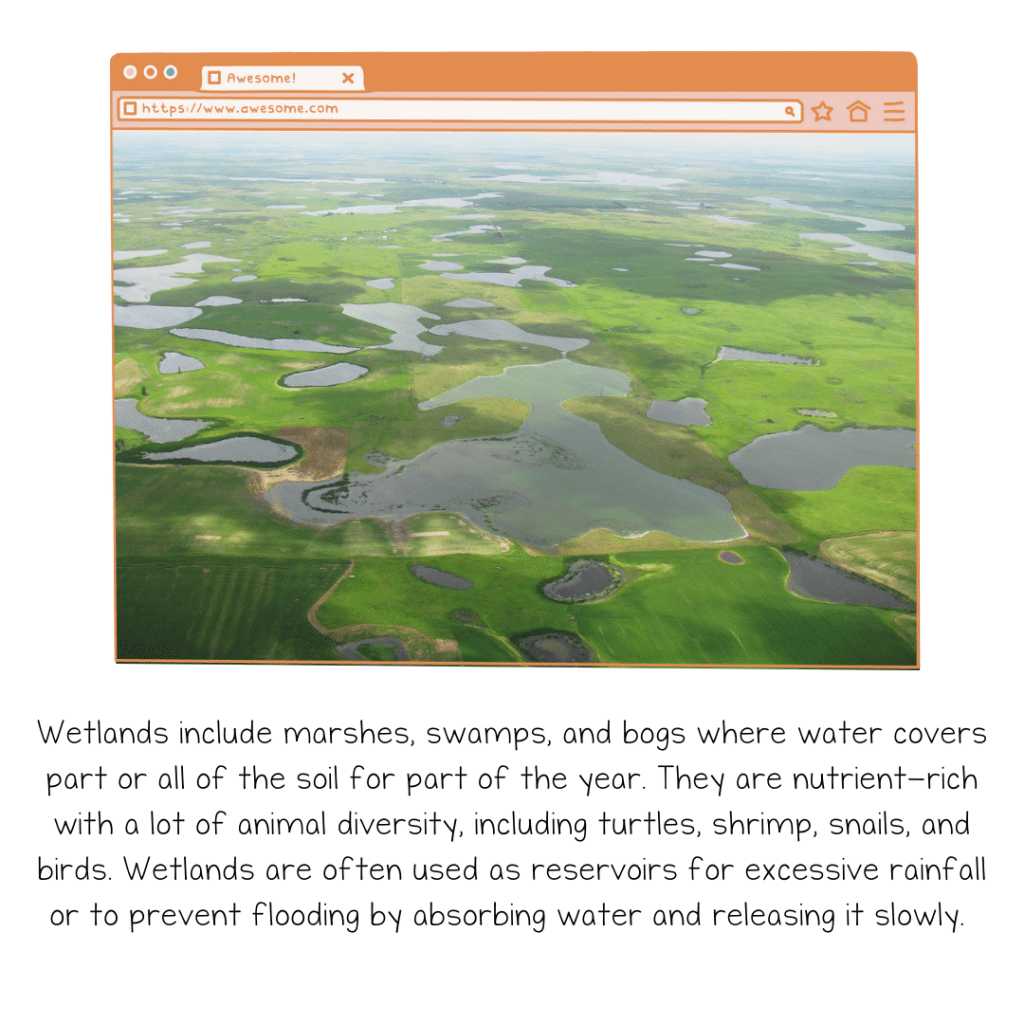
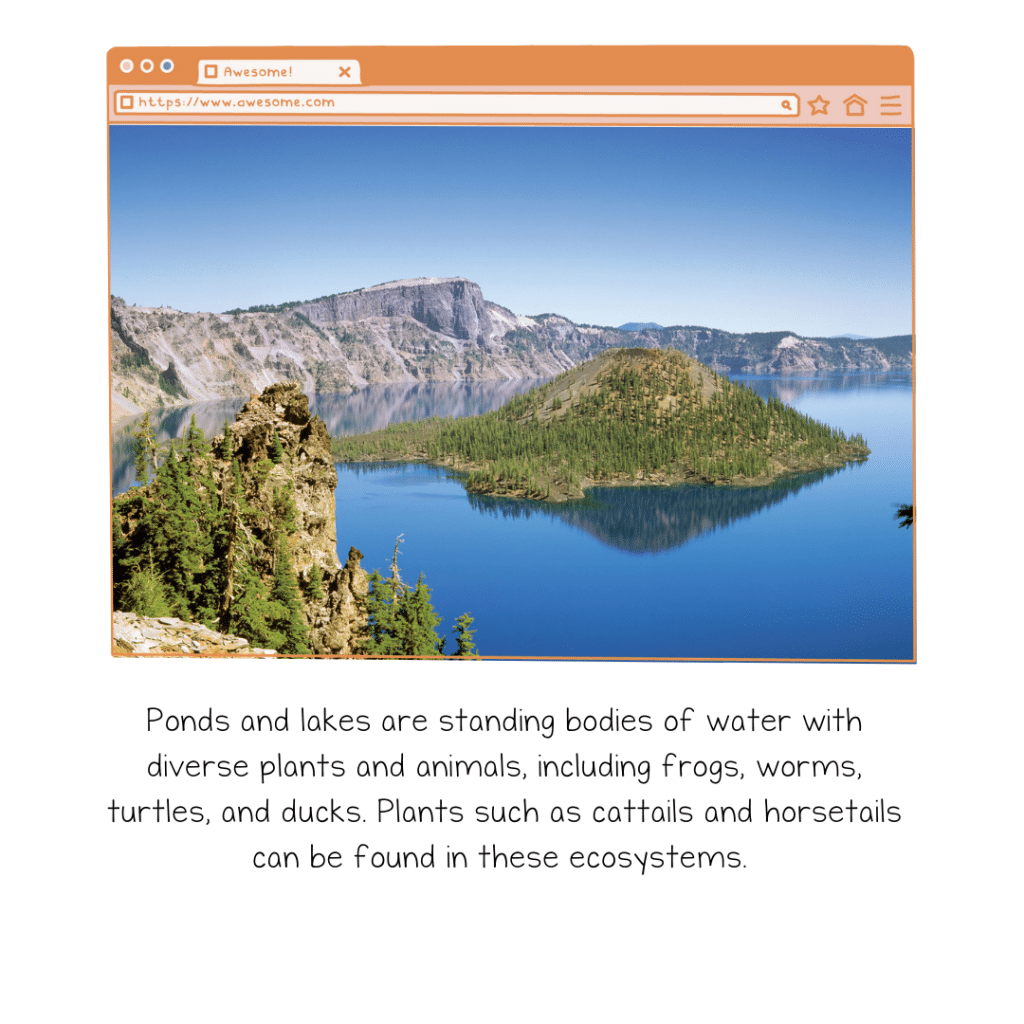
Water covers about 75% of Earth’s surface, making aquatic biomes the largest part of the biosphere. These biomes are divided into two main types: freshwater and marine. Freshwater biomes have low salt concentrations (less than 1%) and include ponds, lakes, rivers, streams, and wetlands. Marine biomes, such as the oceans, have much higher salt concentrations and support a wide variety of life.

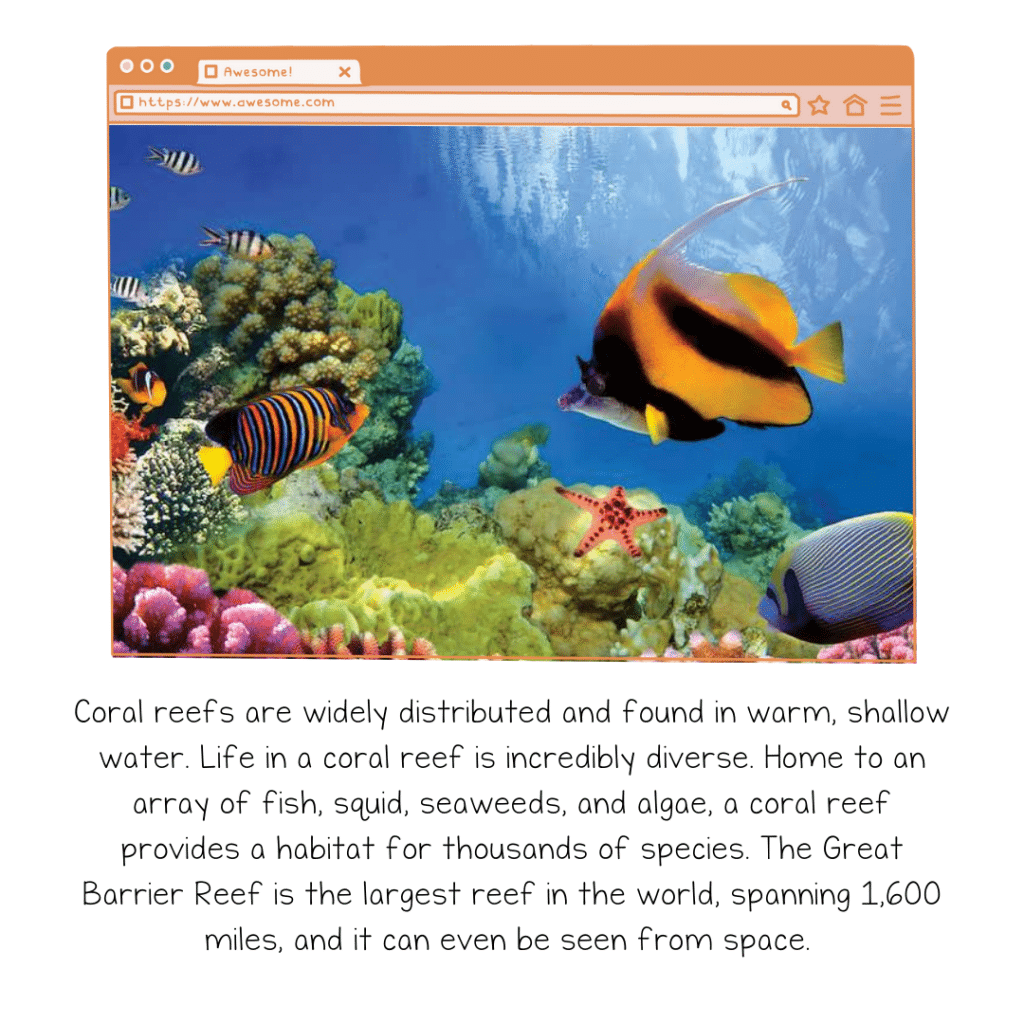
The marine biome covers about three-quarters of Earth’s surface and includes oceans, coral reefs, and estuaries. Organisms in this biome must be adapted to living in saltwater conditions. Marine environments vary widely depending on location. Tropical oceans are warm and support high biodiversity, while polar oceans are much colder and may be covered with ice at the surface. The ocean is divided into zones based on depth and distance from the shore. Each zone has different environmental conditions, such as light availability and temperature, which support different types of organisms.

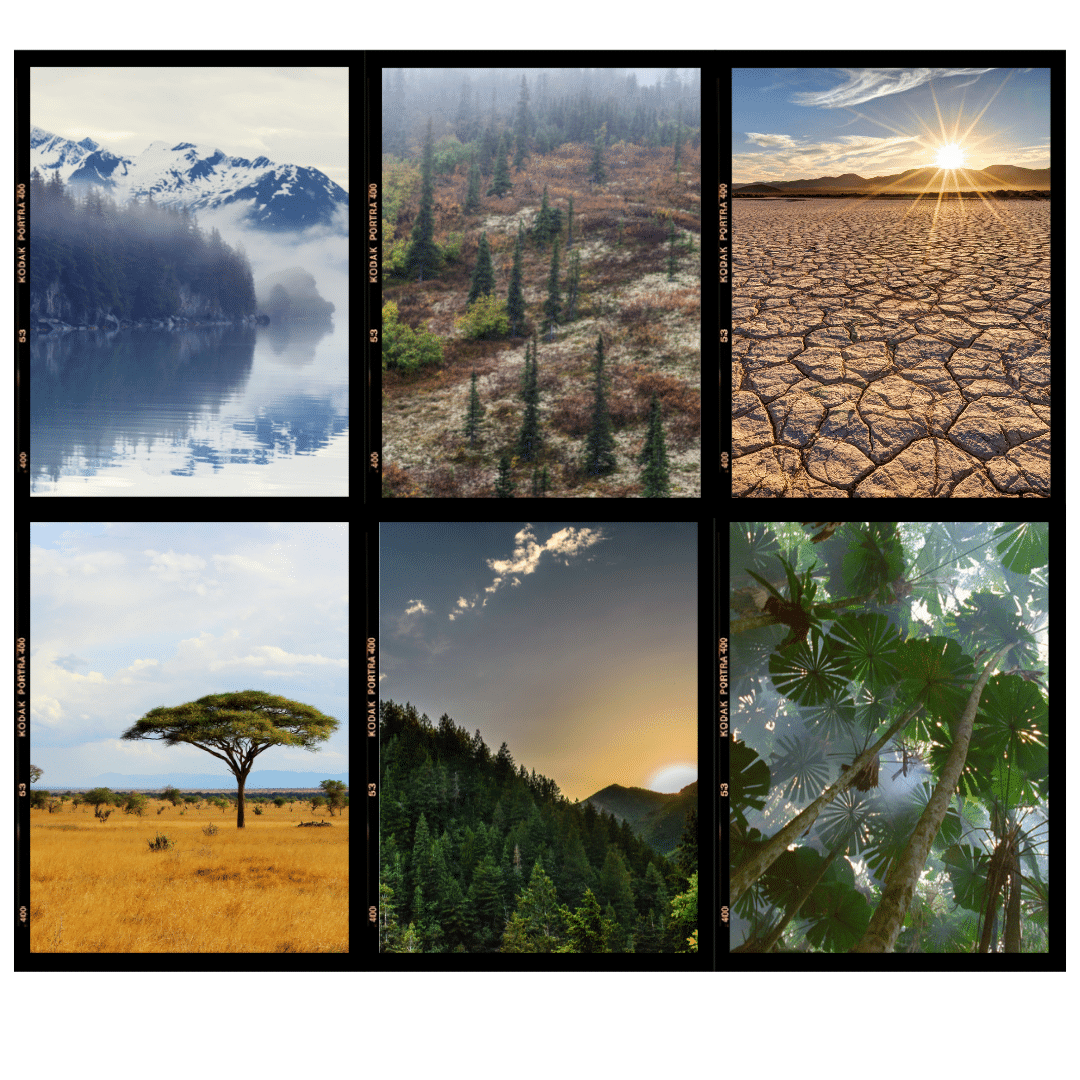
Terrestrial biomes vary widely across Earth and are primarily defined by their climate, which influences the types of plants and animals that can survive there. Temperature and precipitation determine the climax community that develops in each region. The major terrestrial biomes include tundra, taiga, desert, savanna, temperate forest, and tropical rainforest.
The tundra is the coldest biome and is characterized by permafrost, or permanently frozen soil. It has a very short growing season, so vegetation is limited to small, low-growing plants such as mosses and grasses. Animals like caribou, arctic foxes, and polar bears are adapted to the cold, and many species migrate to avoid harsh winter conditions.
The taiga, also known as the boreal forest, is the largest land biome and is found in the northern regions of the Northern Hemisphere. It is dominated by evergreen trees such as pines and spruces. This biome has long, cold winters and short summers. Animals such as grizzly bears, lynxes, and owls are well-adapted with thick fur or feathers, and many hibernate during the winter.
The desert biome is characterized by arid conditions and low rainfall. Temperatures can vary greatly, often being very hot during the day and cold at night. Despite limited water and nutrients, many organisms survive here by adapting to conserve water and avoid heat. Animals such as lizards, snakes, and bobcats are often nocturnal, while plants like cacti store water in their stems and have shallow roots to quickly absorb rainfall.
The savanna is a warm biome with grasses and scattered trees. It experiences seasonal rainfall and periods of drought, requiring plants to be drought-resistant. Grasses dominate due to the nutrient-rich soil, supporting large herbivores such as giraffes, zebras, and antelopes. Insects and burrowing animals are also common in this biome.
The temperate forest biome is found primarily in the Northern Hemisphere and is characterized by a moderate climate with cold winters, warm summers, and abundant rainfall. The fertile soil supports a wide variety of plant life, including trees that can live for hundreds of years. These forests provide habitats for animals such as deer, squirrels, and birds. Many animals migrate or hibernate to survive seasonal changes, while mosses and wildflowers grow along the forest floor.
The tropical rainforest is a warm, wet biome that receives large amounts of rainfall year-round. These conditions support extremely high biodiversity, including monkeys, sloths, birds, insects, and spiders. Dense vegetation forms multiple layers, including a thick canopy that blocks much of the sunlight from reaching the forest floor. Many animals are adapted to climb, jump, and fly through the trees. Plants in tropical rainforests are also important to humans, providing resources such as coffee, spices, and other valuable products.
Review
- Can you correctly identify the terrestrial biomes pictured above?
- How are biomes classified?
- Pretend you’re hiking in the tundra. What kind of plants and wildlife are you likely to encounter?