
Section 4: Biodiversity
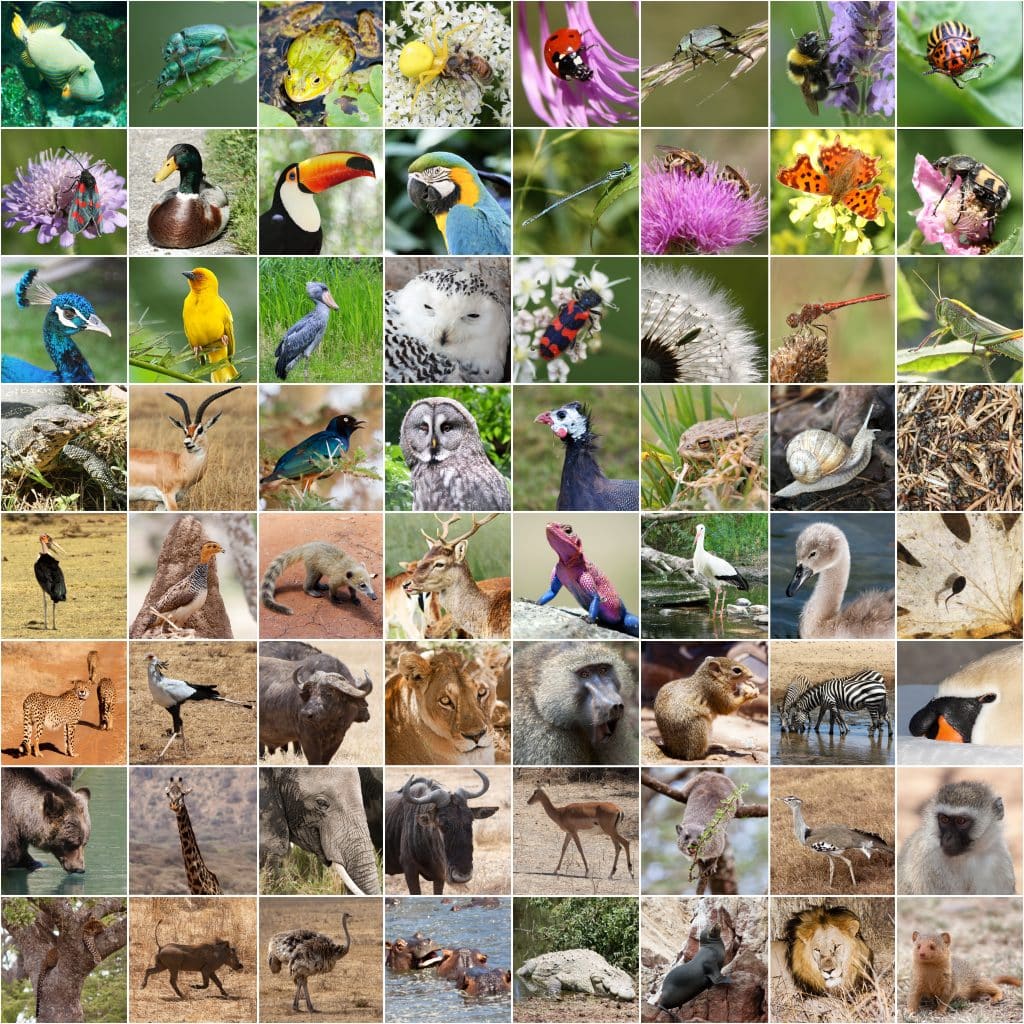
Human activity is a major contributor to the decline of biodiversity, the variety of all living organisms in the biosphere. Biodiversity exists at three levels: ecosystem diversity, species diversity, and genetic diversity.
- Ecosystem diversity refers to the variety of habitats, communities, and ecological processes found on Earth. Different ecosystems, such as forests, deserts, and oceans, support a wide range of life.
- Species diversity is the number and variety of different species within a given area or across the biosphere. Scientists have identified approximately 1.5 million species, though many more are believed to exist.
- Genetic diversity refers to the total range of genetic information within a species. This variation allows populations to adapt to changing environmental conditions and increases their chances of survival.
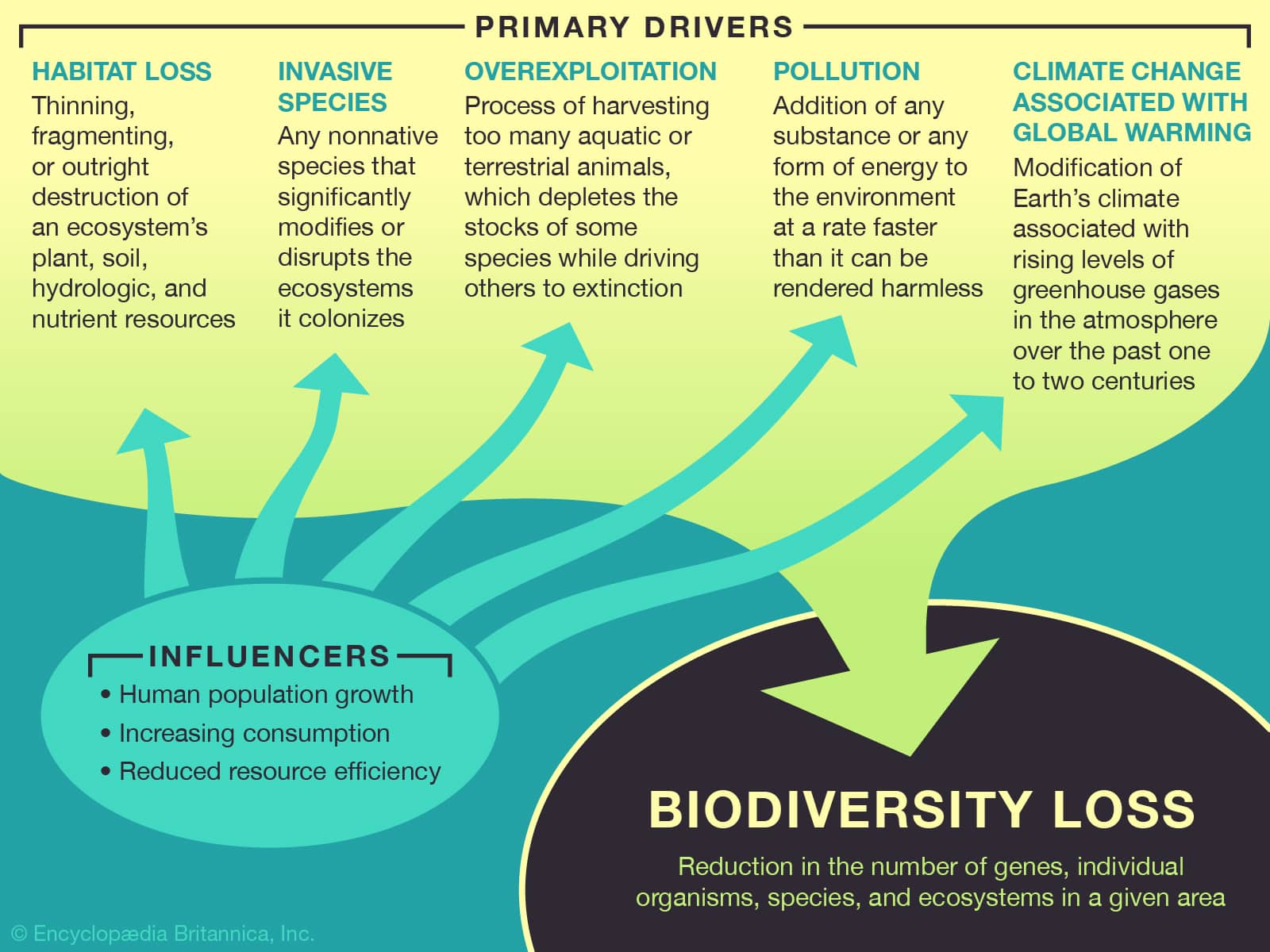
Several factors threaten biodiversity, including extinction, endangered species, habitat destruction, and invasive species. Extinction occurs when a species disappears completely from Earth and can no longer return. In many cases, human activities such as pollution, resource overuse, and habitat destruction have accelerated extinction rates. An endangered species is one whose population is declining or whose genetic diversity is decreasing.
One of the most significant threats to biodiversity is habitat destruction. As land is developed for cities, agriculture, and industry, natural habitats are often broken into smaller, isolated sections, a process known as habitat fragmentation. This separation limits access to food, shelter, and mates, making survival more difficult. In addition, habitat degradation, caused by pollution and overdevelopment, reduces environmental quality. Deforestation, in particular, destroys ecosystems and eliminates the resources many species depend on.
Invasive species further disrupt ecosystems. These organisms are introduced to new environments where they often lack natural predators or parasites to control their populations. As a result, they can reproduce quickly, outcompete native species for resources, and alter food chains. For example, the cane toad was introduced to Australia in 1935 to control beetles, but because it had few natural enemies, its population grew rapidly. Its feeding habits depleted resources for native species, and despite many control efforts, it has been difficult to eliminate. Similarly, lionfish were introduced into the Atlantic Ocean when pet owners released them off the coast of Florida. With no natural predators, lionfish reproduce rapidly and disrupt coral reef ecosystems. Feral pigs, originally brought from Europe and Asia as domesticated animals, have also become invasive after escaping or being released. They cause widespread damage to crops, fences, and natural habitats.
Aquatic ecosystems have also been affected by invasive species. The sea lamprey, introduced through canals connecting the Great Lakes, preys on important fish species and disrupts the food chain. Zebra mussels, likely transported on ships, spread quickly in the Great Lakes and feed on phytoplankton, reducing food availability for other organisms. On land, kudzu, introduced in the 1930s to prevent soil erosion, grows rapidly and covers large areas, outcompeting native plants. In the United Kingdom, the gray squirrel, introduced as an ornamental species, has outcompeted native red squirrels and spread disease.
Efforts to control invasive species vary but are often challenging. Methods include hunting, chemical treatments, barriers, and even promoting the consumption of invasive species. Despite these efforts, many invasive species remain difficult to manage, underscoring the importance of prevention and careful ecosystem management.
Many of the environmental problems we face today are of our own making. To protect species, habitats, and ecosystems, conservationists have developed a variety of solutions to reduce damage and restore balance to the natural world. In areas where habitats have been fragmented or severely damaged, habitat corridors have been established. These protected strips of land connect separate ecosystems, allowing organisms to move freely between them to find food, mates, and shelter. This movement helps maintain healthy populations and genetic diversity.
Another important strategy is the use of reintroduction programs. In these programs, endangered species are bred and raised in protected environments and then released back into their natural habitats. This helps rebuild populations that have declined or disappeared from certain areas. A broader approach to conservation is sustainable development, which focuses on using natural resources in ways that do not harm ecosystems or limit their availability for future generations. By balancing human needs with environmental protection, sustainable practices help ensure the long-term health of Earth’s ecosystems.
Review:
- Why is biodiversity important?
- Identify three threats to biodiversity.
- How can we protect biodiversity?