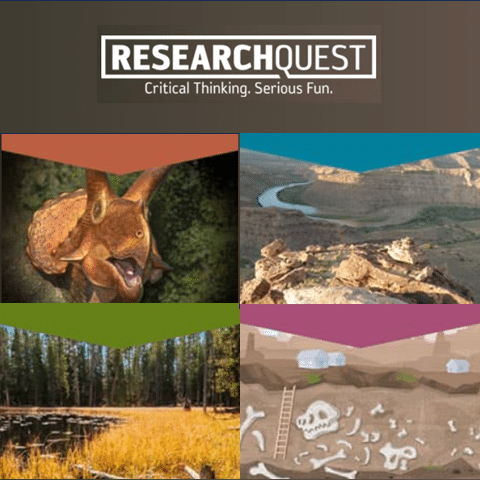
The search for engaging and practical science education resources is ceaseless, and amidst this pursuit, I’m happy to report the Natural History Museum of Utah introduces a refreshing and innovative site FREE for middle school teachers and students – Research Quest. This original series of online investigations is meticulously crafted to challenge students with real-world scientific mysteries and provide a firsthand experience of how research scientists unravel the complexities of the natural world using virtual museum artifacts and research facilities.
Diving into the World of Research Quest
Research Quest is a virtual haven of scientific exploration where students are immersed in various museum activities curated by scientists and educators. This learning experience is informative and captivating since it opens students to investigations about the natural world in the following topics:

Phenomenon-Based Learning
I love the use of phenomenon-based learning throughout this site. Students are encouraged to be active participants in solving real-world scientific mysteries. The investigations not only challenge their intellect but also model scientific research. The hands-on approach promotes critical thinking and problem-solving skills that are invaluable for students’ intellectual growth.
Unveiling the Research Process
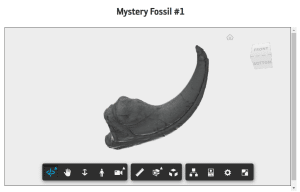
Digitized 3D Image Scan of Dinosaur Fossil
The journey begins with students immersing themselves in the world of digitized museum collections and data. Picture this: exploring the nooks and crannies of a 3D image scan of a dinosaur jaw or scrutinizing aerial photos of pine trees to understand the impacts of environmental changes in a mountain setting. This immersive experience goes beyond textbook knowledge, allowing students to gather their evidence for the research question at hand.
Check out images from a Research Quest investigation where students engage in virtual bat dissections, analyze stomach contents using a virtual microscope, and collect and analyze data. By meticulously gathering and examining data on bat populations and insect abundance, students gain firsthand experience in scientific methodology.

Virtual Bat Dissection – Research Quest
The data collection and analysis process empowers students to draw meaningful conclusions about the impact of diminishing insect resources on bat populations. Through this immersive scientific inquiry, students develop critical thinking skills and a deeper understanding of the scientific process and its real-world applications.
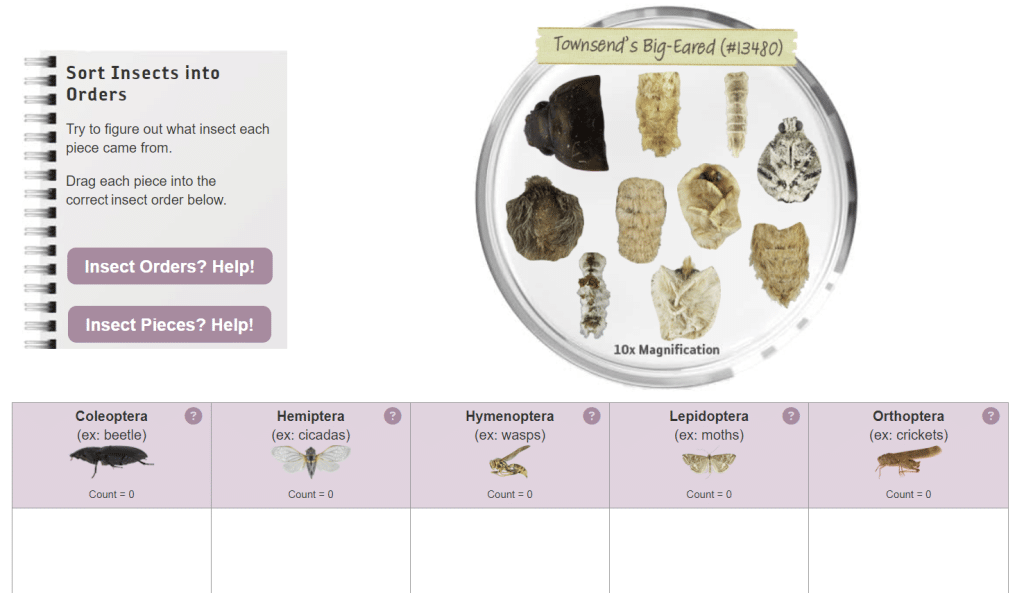
Students sort stomach contents from virtual dissection.
Aligned with Educational Standards
Research Quest understands the importance of aligning with educational standards to ensure relevance and applicability in the classroom. These investigations have been meticulously crafted to align with national middle school standards, including the Next Generation Science Standards (NGSS), and English Language Arts (ELA) Common Core. This alignment ensures teachers can seamlessly integrate Research Quest into their curriculum, making it a valuable educational resource.
Bringing Science to Life
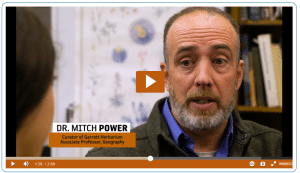 While hands-on experience in a physical laboratory setting is crucial for young scientists, Research Quest’s virtual labs offer distinct advantages that enhance traditional methods. These digital environments present artifacts and specimens that provide learning opportunities not available in traditional settings. Moreover, the inclusion of videos featuring real scientists and paleontologists sharing their field experiences enriches the learning experience, tying everything together seamlessly.
Nurturing Future Scientists with Research Quest
Research Quest gives students a unique way to explore by blending the virtual world of museum collections with the tangible experience of scientific inquiry, creating a captivating and enriching educational journey. As educators seek innovative ways to inspire the next generation of scientists, Research Quest stands out as a shining example of how technology and education can seamlessly converge to create a transformative learning experience.
So, let the quest begin at https://researchquest.org/
This article may be sponsored or contain some affiliate links, which means I might earn a small commission which helps me run this website and promote giveaways. There is no extra cost to the reader. I only recommend products and services that I have personally used or have thoroughly researched.